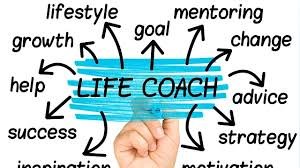
Earning a Life Coach Certificate is a major milestone for anyone pursuing a career in personal development and professional coaching. It validates your knowledge, skills, and dedication to helping others achieve meaningful goals. Many new coaches, however, are curious about the career opportunities this certification opens up and how to make the most of it.
This post explores the main career paths available after certification and highlights the key skills that drive success.
Understanding Your Life Coach Certificate
A Life Coach Certificate represents formal training in coaching principles, including goal-setting, active listening, problem-solving, and ethical client management. Beyond demonstrating your competence, it shows your dedication to helping clients achieve measurable growth in their personal and professional lives.
This certificate provides a foundation to build a coaching career and signals credibility to potential clients or employers. It also gives coaches a clear framework for structuring sessions and tracking client progress, which is critical in building trust and long-term relationships.
Career Paths After Certification
Once you have earned your certificate, several career paths become available. The path you choose often depends on your interests, experience, and desired work environment. Each path has unique benefits and considerations, which we explore below.
Independent Life Coaching Practice
Many certified coaches choose to establish their own practice. This route allows for autonomy and flexibility while helping clients individually. Key aspects to consider include:
- Setting your schedule and working directly with clients
- Specializing in niches like wellness, career, or relationship coaching
- Managing business aspects, including marketing and client acquisition
By focusing on personal connections and tailored guidance, independent coaches can build long-term client relationships and a sustainable career.
Corporate Coaching
Organizations increasingly rely on professional coaches to enhance employee development and leadership skills. Corporate coaching offers a structured environment with clear goals and measurable outcomes. Corporate coaching typically involves:
- Working with teams or leaders to improve performance and communication
- Designing development programs aligned with organizational objectives
- Offering consistent guidance and progress tracking
This path is suitable for coaches who prefer a stable income and the opportunity to impact a larger group within professional settings.
Group Coaching and Workshops
Group coaching programs allow certified coaches to reach multiple clients simultaneously, fostering peer support and collaborative growth. Key advantages include:
- Conducting workshops focused on specific themes, such as leadership or stress management
- Developing signature programs that establish expertise in a niche
- Building a community of participants while efficiently scaling your coaching practice
Group sessions are ideal for coaches who enjoy facilitating interactive learning environments and creating structured programs for participants.
Integration with Other Professions
A Life Coach Certificate can complement careers in education, counseling, wellness, or human resources. Professionals often incorporate coaching into their existing roles to offer enhanced support. Examples of integration include:
- Educators helping students set academic and personal goals
- Wellness professionals supporting lifestyle changes with coaching techniques
- HR professionals guiding employees through career development programs
Exploring is life coaching a good career? helps newly certified coaches evaluate which path aligns best with their goals, expectations, and preferred work environment. This approach broadens opportunities and allows coaches to leverage their certification while enhancing other professional activities.
Specializations and Niche Opportunities
After certification, many coaches choose to focus on specific niches to differentiate themselves and attract targeted clients. Specialization can make your practice more appealing and allow you to build expertise in a particular area. Popular niches include:
- Career coaching for professionals seeking advancement or transitions
- Wellness and lifestyle coaching focusing on fitness, nutrition, and stress management
- Relationship and family coaching to guide clients through personal challenges
- Executive coaching for business leaders and entrepreneurs
Choosing a niche enables coaches to tailor their marketing, design-focused programs, and establish themselves as experts in a particular field. It also allows for premium pricing and more consistent client referrals.
Key Skills for Career Success
To thrive after certification, certain skills are crucial regardless of the path chosen. Consider these as building blocks for a sustainable career:
- Active listening and effective communication
- Empathy and emotional intelligence
- Business and client management skills for independent practice
- Adaptability to tailor coaching approaches for different clients or organizations
Mastering these skills ensures that your coaching remains impactful, professional, and aligned with client needs.
Planning Your Next Steps
Once you have completed your certification, the most important step is translating knowledge into actionable opportunities. Key steps to consider include:
- Choose your career path: Decide whether to work independently, in a corporate setting, or integrate coaching with another profession.
- Build your professional network: Connect with peers, mentors, and industry professionals to gain insights and opportunities.
- Pursue mentorship and continuing education: Advanced training or guidance from experienced coaches enhances credibility and skills.
- Apply your coaching skills consistently: Regular practice and refining your approach improve effectiveness and client outcomes.
- Develop a business strategy (if independent): Plan client acquisition, marketing, and service delivery to ensure a strong start to your coaching practice.
By following these steps, you can transform your training into a structured, purposeful career path while steadily building your reputation and client base.
Conclusion
Receiving certification opens doors to multiple professional opportunities, from independent practice and corporate coaching to group workshops and niche specializations. By choosing a clear path, developing essential skills, and planning strategically, you can build a rewarding career that makes a meaningful impact on others while achieving your own professional goals.


