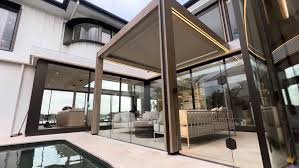
Outdoor spaces become more enjoyable when light, heat, and airflow are easy to manage. Many homes in Australia experience strong sunlight during the day, cooler evening breezes, and sudden weather changes. A well-designed Louvre Roof System makes these adjustments simple and practical. It gives users reliable control over brightness, shade, and temperature without depending on fixed roofing that cannot adapt. People often want outdoor spaces that feel comfortable year-round. They want shade without sacrificing airflow, and cover without sacrificing natural light.
How a Louvre Roof System Works?
A Louvre Roof System uses a frame fitted with blades that rotate along their central axis. These blades shift between open, angled, and closed positions to control sunlight and airflow.
Adjustable blades
Each blade can tilt to multiple angles. This movement changes the amount of light that enters the space. Users can create shade, reduce glare, or brighten the area with small adjustments.
Motorised or manual control
Some systems use a motor connected to a remote or switch. Others operate with a manual crank or handle. Both options allow fine control, though motorised systems offer quicker changes. Many modern versions also include sun and rain sensors that adjust the blades automatically when conditions shift.
Blade Angles and Sunlight Control
Blade position directly affects brightness, shade, and comfort. Clear control over these settings helps people enjoy outdoor areas throughout the day.
Open position
When the blades sit fully open, they allow strong light and high airflow. This setting suits cooler mornings, winter afternoons, or times when natural warmth feels pleasant. It also helps release heat that builds under the roof.
Partially open position
A slight tilt filters sunlight. It softens the harshness of midday brightness while keeping the area ventilated. Many homeowners use this angle when they want shade without creating a dark space.
Closed position
Closed blades overlap to form a solid cover. This blocks heat and harsh light. Many systems include drainage channels that move rainwater toward the frame’s edges. This helps keep patios, decks, and courtyards dry without the need for a traditional roof.
Fixed Aluminium Louvres and Their Role
Adjustability is popular, yet fixed systems still play a major role in many properties.
What makes them effective
Fixed Aluminium Louvres remain set at a permanent angle chosen to suit the building’s orientation. They offer predictable shade and reduce direct sunlight during peak hours. This is helpful for spaces that need continuous cover without frequent adjustments.
Benefits of aluminium
Aluminium remains one of the most durable materials for outdoor structures. It resists corrosion, handles coastal air well, and stays stable during extreme heat. Fixed Aluminium Louvres also need little maintenance compared to timber or steel alternatives. This makes them a practical choice for long-term use.
Weather Protection and Airflow
Control of airflow and weather protection is central to how these roofs work.
Rain management
Closed blades create a strong barrier that channels water toward built-in gutters. This design stops water from dripping into outdoor areas. It lets users continue using the space during light rain without having to move indoors.
Airflow advantages
Angled blades help warm air rise and escape. This reduces heat build-up under the roof. Even partial openings create enough ventilation to make outdoor areas feel cooler.
Types of Louvre Roof Systems
Different households need different levels of control, so several configurations exist.
Fixed
These systems use Fixed Aluminium Louvres set at a specific angle. They suit spaces that require constant shade or privacy. The lack of moving parts also reduces maintenance.
Adjustable
Adjustable systems allow blade movement through manual or motorised controls. They adapt to changing light throughout the day and suit homes that experience strong summer sun and softer winter light.
Motorised
Motorised systems offer greater convenience. Users can shift the blades using a remote, a switch, or an app. Some advanced models react to wind, rain, or UV intensity through sensors. This reduces manual work and keeps the space comfortable without constant attention.
Conclusion
A Louvre Roof System allows homeowners to control sunlight, shade, ventilation, and weather protection with ease. Adjustable blades support changing needs throughout the day, while Fixed Aluminium Louvres offer consistent performance for spaces that rely on steady cover. Both approaches help create outdoor areas that feel comfortable, functional, and ready for regular use. When users understand how each blade position affects light and airflow, they can choose a system that improves liveability and suits local conditions.