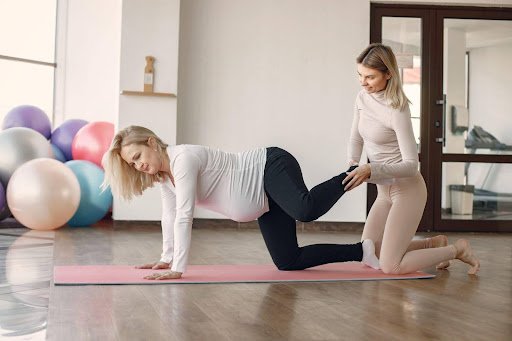
Pregnancy brings significant physical and emotional changes, with each expecting mother experiencing unique shifts in weight, flexibility, stamina, and overall mobility. These differences make personalized exercise programs essential, rather than one-size-fits-all routines.
A prenatal fitness trainer plays a crucial role in creating safe and effective workouts tailored to each individual’s needs, fitness level, and stage of pregnancy. They consider factors such as core strength, posture, energy levels, and any medical conditions to ensure exercises are both supportive and beneficial. With their guidance, mothers can maintain fitness, reduce discomfort, and promote overall well-being throughout pregnancy.
Understanding the Role of a Prenatal Fitness Coach
A prenatal fitness coach is a certified professional who specializes in exercise for pregnant women. Unlike standard personal trainers, they possess specialized knowledge of maternal anatomy, prenatal physiology, and safety protocols. Their primary goal is to maintain or improve overall fitness while minimizing risks to both mother and baby.
Key responsibilities of a prenatal fitness coach include:
- Assessing the client’s health history, medical conditions, and pregnancy progression
- Identifying safe exercises for each trimester
- Monitoring posture, balance, and movement to prevent injury
- Providing guidance on breathing, flexibility, and core engagement
- Adjusting workouts dynamically based on energy levels, fatigue, or discomfort
By understanding these nuances, a prenatal fitness coach ensures that every session is personalized, effective, and safe.
Initial Assessment: The Foundation of Personalization
The first step in adapting workouts is a comprehensive assessment. A skilled prenatal fitness coach will evaluate factors such as pre-pregnancy fitness level, current activity habits, and any medical restrictions. This process often involves:
- Discussing past injuries or surgeries
- Understanding the client’s lifestyle and daily activity
- Reviewing pregnancy-related symptoms such as morning sickness, joint pain, or swelling
- Measuring baseline strength, flexibility, and cardiovascular endurance
This initial evaluation forms the foundation for a program tailored to the client’s individual needs, ensuring that exercises are both safe and effective.
Designing Safe, Trimester-Specific Workouts
Pregnancy is divided into three trimesters, each with distinct physical and physiological changes. A prenatal fitness coach adapts workouts according to these stages.
- First trimester: Focus is on gentle strength building, light cardio, and flexibility. Trainers often prioritize exercises that maintain core strength and support the spine.
- Second trimester: As the belly grows, balance and posture become critical. A prenatal fitness coach introduces stability exercises, low-impact cardio, and modified resistance training to support changing body mechanics.
- Third trimester: Workouts are designed to maintain mobility, reduce discomfort, and prepare the body for labor. Emphasis is on stretching, light strength training, and breathing techniques.
By structuring workouts around trimester-specific needs, the trainer ensures that the program evolves with the client’s body and maintains overall wellness.
Customizing Workouts for Individual Needs
Every pregnancy is unique, and so should be every fitness program. Prenatal fitness coach take into account personal factors like:
- Pre-existing fitness levels
- Experience with strength training, yoga, or cardio
- Specific health concerns, such as gestational diabetes or hypertension
- Flexibility and joint stability
- Preferred training environment, whether home-based or outdoors
For example, a client with prior yoga experience might benefit from prenatal yoga flows that focus on breath, posture, and balance, whereas someone new to fitness may begin with low-impact cardio and bodyweight exercises. The goal is to create a routine that is both enjoyable and beneficial, fostering consistent engagement throughout pregnancy.
Incorporating Flexibility and Mobility
Flexibility and mobility are vital during pregnancy to reduce stiffness, improve circulation, and prevent injury. A prenatal fitness trainer carefully introduces stretching routines that:
- Open the hips and shoulders
- Maintain joint mobility
- Reduce tension in the lower back and legs
Unlike generic stretching programs, prenatal stretches are designed to be gentle, avoiding positions that compress the abdomen or compromise balance.
Cardio and Low-Impact Exercises
Maintaining cardiovascular fitness during pregnancy supports energy levels, mood, and overall health. A prenatal fitness coach typically recommends low-impact exercises such as walking, swimming, stationary cycling, or light aerobics. These activities:
- Promote heart and lung health without excessive strain
- Minimize risk of falls or injury
- Adapt to individual stamina and comfort levels
Cardio sessions are adjusted based on trimester, fatigue, and medical considerations, ensuring the mother stays active safely.
Strength Training Adaptations
Strength training remains beneficial during pregnancy, but must be carefully adapted. A prenatal fitness coach often:
- Use lighter weights or resistance bands
- Focus on major muscle groups to support posture
- Avoid exercises that involve lying flat on the back after the first trimester
- Emphasize controlled movements and proper breathing
Strength workouts enhance endurance, reduce pregnancy-related discomfort, and facilitate postpartum recovery.
Choosing the Best Prenatal Personal Trainer at Home in the UAE
For expecting mothers in the UAE seeking convenience and safety, hiring the best prenatal personal trainer at home in UAE can be transformative. Home-based sessions allow:
- Flexible scheduling around doctor appointments and daily routines
- Comfortable, private training in familiar surroundings
- Personalized attention without the distractions of a crowded gym
- Access to trainers experienced with prenatal modifications
Selecting a qualified trainer ensures workouts are evidence-based, safe, and aligned with personal goals.
Benefits of Tailored Prenatal Workouts
Engaging with a prenatal fitness coach offers numerous benefits, including:
- Improved posture and reduced back pain
- Maintained or increased energy levels
- Strengthened core and pelvic floor muscles
- Better mood and reduced stress
- Easier labor and quicker postpartum recovery
When workouts are tailored to individual needs, mothers can enjoy a safer, more comfortable pregnancy experience.
Conclusion
Pregnancy is a unique journey, and fitness routines should reflect that uniqueness. By working with a prenatal fitness trainer, each mother receives workouts that consider her current physical state, medical considerations, and personal goals. Tailored programs support strength, flexibility, endurance, and mental well-being, allowing expecting mothers to feel confident and empowered throughout their pregnancy.
If you are looking for expert prenatal fitness guidance in the UAE, WeTrain provides professional home training services tailored for expectant mothers. Their certified trainers design safe, customized programs based on your pregnancy stage, fitness level, and personal goals. With flexible scheduling, private sessions at home, and ongoing support, mothers-to-be enjoy convenient, effective, and comfortable workouts that help maintain strength, flexibility, and overall well-being throughout pregnancy.